

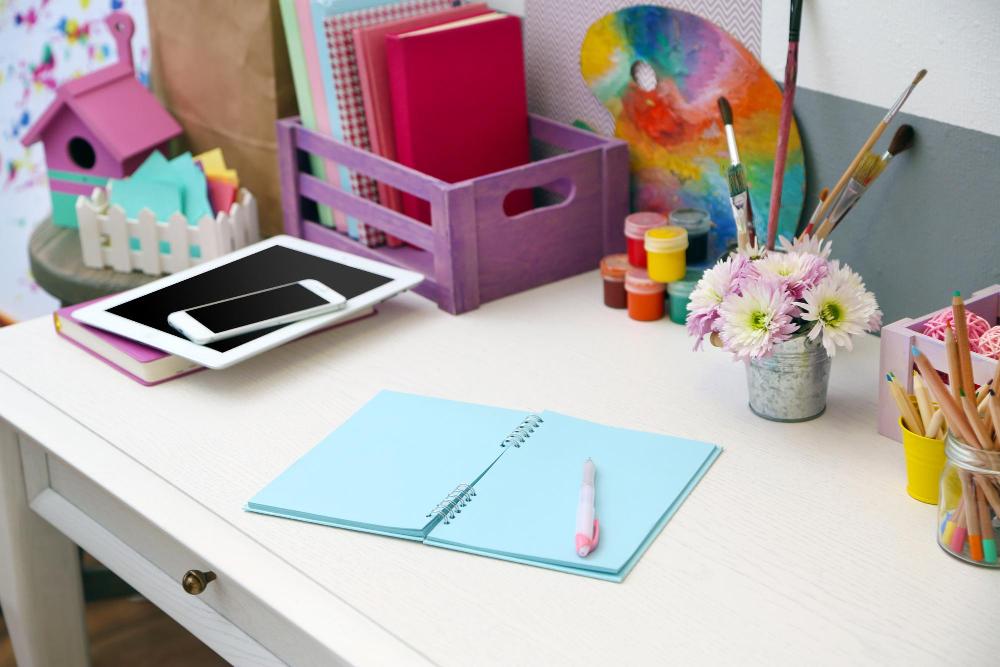
 The transition to online elementary education brings exciting opportunities for personalized learning, but it also requires thoughtful consideration of the physical environment where young learners will spend their educational hours. Unlike older students who can adapt to various learning conditions, elementary-age children need carefully designed spaces that support their developmental needs, attention spans, and learning styles.
Creating an effective home learning space isn't about having the most expensive furniture or the latest technology—it's about understanding how young children learn best and designing environments that minimize distractions while maximizing engagement and comfort. The right learning space can transform online education from a struggle with distractions into an exciting journey of discovery and growth.
At Wellspring Global Academy, we work with families to optimize their home learning environments because we understand that the physical space significantly impacts educational outcomes. A well-designed learning area becomes a foundation for academic success, helping elementary students develop focus, organization skills, and positive associations with learning that serve them throughout their educational journey.
Elementary Learning Needs
Developmental Considerations for Young Learners
Elementary students have unique physical, cognitive, and emotional needs that differ significantly from older learners. Their attention spans are naturally shorter, they learn through movement and hands-on experiences, and they thrive with clear routines and organized environments that help them feel secure and ready to learn.
Key developmental factors for elementary learning spaces:
- Need for movement and kinesthetic learning opportunities
- Shorter attention spans requiring variety and engagement strategies
- Sensory processing differences that affect focus and comfort
- Desire for visual stimulation balanced with need to minimize distractions
- Importance of routine and predictability in environmental cues
- Social learning preferences even in individual study spaces
Understanding these developmental characteristics helps families create spaces that work with children's natural learning patterns rather than against them. When learning environments align with developmental needs, children experience less frustration and more success in their educational activities.
The Importance of Dedicated Learning Areas
While it might seem convenient to allow elementary students to learn anywhere in the home, research consistently shows that dedicated learning spaces improve focus, organization, and academic outcomes. A designated learning area helps children mentally transition into "school mode" and develop important study habits that support lifelong learning.
Benefits of dedicated learning spaces:
- Clear boundaries between learning time and free time
- Reduced distractions from household activities and entertainment
- Better organization of learning materials and supplies
- Establishment of productive learning routines and habits
- Visual cues that support mental transition to learning mode
- Improved parent ability to monitor and support learning activities
Dedicated spaces don't need to be large or expensive—they simply need to be consistent, organized, and designed with the child's learning needs in mind.
Essential Elements of Elementary Learning Spaces
Ergonomic Furniture for Growing Bodies
Elementary students spend significant hours in their learning spaces, making proper furniture crucial for comfort, health, and sustained attention. Child-sized furniture that supports good posture reduces physical discomfort that can interfere with learning and concentration.
Furniture considerations for elementary learners:
- Chairs that allow feet to touch the floor or footrest
- Desk height that keeps elbows at 90-degree angles while writing
- Adjustable elements to accommodate rapid growth spurts
- Comfortable seating options for different types of learning activities
- Storage solutions within easy reach of the child
- Surfaces that accommodate both digital devices and traditional materials
Investing in appropriate furniture pays dividends in improved comfort, better posture, and increased ability to focus during learning activities. Many furniture pieces can be adjusted as children grow, making them long-term investments in educational success.
Technology Setup and Organization
Online elementary education requires reliable technology that's appropriately sized and positioned for young users. The technology setup should be simple enough for children to operate independently while providing the functionality necessary for engaging virtual learning experiences.
Technology essentials include:
- Computer or tablet with screen size appropriate for elementary activities
- Webcam positioned at eye level for comfortable video participation
- Headphones that fit properly and protect young ears from volume damage
- Reliable internet connection with backup options when possible
- Charging stations and cable management for safety and organization
- Easy-access storage for devices when not in use
Technology should enhance learning rather than create barriers. Simple, child-friendly setups reduce technical frustrations and allow students to focus on educational content rather than struggling with equipment.
Lighting and Visual Environment
Proper lighting is crucial for reducing eye strain, maintaining alertness, and creating a positive learning atmosphere. Elementary students need bright, even lighting that illuminates their work without creating glare on screens or reflections that cause distraction.
Optimal lighting conditions:
- Natural light from windows, preferably to the side rather than directly behind or in front of screens
- Adjustable desk lamps for task lighting during dim conditions
- Overhead lighting that provides even illumination throughout the space
- Minimal glare and reflections on computer screens and work surfaces
- Window treatments that allow light control during different times of day
- Warm, inviting lighting that creates a positive learning atmosphere
Good lighting supports visual comfort and helps maintain the circadian rhythms that keep children alert and focused during learning hours.
Organization Systems for Success
Age-Appropriate Storage Solutions
Elementary students need organization systems that they can maintain independently while keeping learning materials easily accessible. Simple, clearly labeled storage solutions help children develop organizational skills while supporting their learning activities.
Effective storage strategies:
- Clear bins and containers that show contents at a glance
- Labels with both words and pictures for emerging readers
- Easy-open containers that children can manage independently
- Designated spaces for different types of materials and supplies
- Daily and weekly organization systems that children can maintain
- Backup supplies stored in accessible locations
Organization systems should grow with the child, starting simple and adding complexity as organizational skills develop. The goal is independence and efficiency rather than perfection.
Daily Material Management
Successful online learning requires children to access various materials throughout the day, from textbooks and workbooks to art supplies and manipulatives. Efficient material management systems reduce time spent searching for supplies and increase time available for actual learning.
Material management solutions:
- Daily supply caddies that can be easily transported
- Subject-specific storage containers for different academic areas
- Rotating supply systems that bring relevant materials to the forefront
- Backup supply locations to avoid interruptions when items are depleted
- Simple check-out systems for special materials or equipment
- End-of-day organization routines that prepare for the following day
Wellspring's Educational Concierge services can provide personalized recommendations for organization systems based on your child's specific needs and learning style preferences.
Digital File Organization
Online learning generates significant digital materials that elementary students must learn to manage. Age-appropriate digital organization systems help children develop technology skills while maintaining easy access to their educational resources.
Digital organization strategies:
- Simple folder structures with clear, child-friendly names
- Desktop shortcuts for frequently accessed programs and materials
- Regular file cleanup routines that prevent digital clutter
- Backup systems for important work and projects
- Easy-to-understand naming conventions for saved work
- Visual organization tools that make sense to young learners
Digital organization skills developed during elementary years provide a foundation for increasingly complex technology use throughout students' educational careers.
Creating Zones for Different Learning Activities
Focused Work Areas
Elementary students benefit from having different areas optimized for different types of learning activities. A focused work area provides minimal distractions and maximum support for activities requiring sustained attention and concentration.
Focused work area characteristics:
- Minimal visual distractions and clean, organized surfaces
- Comfortable seating that supports good posture for extended periods
- Easy access to writing materials, reference books, and basic supplies
- Quiet environment with sound control options
- Good lighting and temperature control for comfort
- Visual reminders of learning goals and achievement progress
This area becomes the primary location for activities like reading, writing, mathematics practice, and other tasks requiring sustained individual focus.
Creative and Hands-On Learning Spaces
Elementary education includes significant hands-on activities, art projects, science experiments, and creative expression opportunities that require different environmental considerations than focused academic work.
Creative space considerations:
- Easy-to-clean surfaces for messy activities and experiments
- Storage for art supplies, building materials, and science equipment
- Good ventilation for activities involving paints or other materials
- Flexible furniture arrangements for different project requirements
- Access to water and cleanup facilities when possible
- Display areas for showcasing completed projects and achievements
Creative spaces should inspire exploration and experimentation while maintaining safety and organization necessary for productive learning activities.
Movement and Brain Break Areas
Elementary students need regular movement breaks to maintain attention and support healthy development. Designated movement areas provide appropriate outlets for physical energy without disrupting learning activities.
Movement area features:
- Safe space for stretching, exercises, and movement activities
- Storage for movement tools like exercise balls, resistance bands, or yoga mats
- Clear boundaries that separate movement time from focused work time
- Easy transition back to academic work after movement breaks
- Visual cues that remind children of appropriate movement activities
- Options for both energizing and calming movement depending on needs
Regular movement breaks improve focus, reduce restlessness, and support the physical activity needs of growing children.
Managing Distractions in Home Environments
Household Noise Control
Home environments present unique challenges for maintaining focus during learning activities. Household noises from siblings, pets, appliances, and daily family activities can significantly impact elementary students' ability to concentrate on educational tasks.
Noise management strategies:
- White noise machines or apps that mask inconsistent household sounds
- Noise-canceling headphones for activities requiring intense focus
- Family schedules that minimize disruptions during key learning times
- Sound-absorbing materials like rugs, curtains, or acoustic panels
- Clear family communication about learning time boundaries
- Backup quiet spaces for times when primary areas become too noisy
Effective noise management requires family cooperation and creative problem-solving to balance learning needs with normal household activities.
Visual Distraction Minimization
Elementary students are naturally drawn to visual stimulation, making it important to carefully balance engaging learning environments with spaces that don't overwhelm or distract from educational tasks.
Visual management approaches:
- Strategic placement of motivational posters and educational materials
- Storage solutions that hide clutter and non-essential items during learning time
- Color schemes that promote calm focus rather than overstimulation
- Window treatments that control outside distractions when necessary
- Designated display areas for current work and achievements
- Regular decluttering to prevent visual overwhelm
The goal is creating environments that feel welcoming and motivating while supporting sustained attention on learning activities.
Digital Distraction Management
Online learning requires screen time, but elementary students can easily become distracted by non-educational digital content. Effective digital management systems help children stay focused on learning while developing healthy technology habits.
Digital distraction prevention:
- Parental controls that limit access to non-educational websites and apps
- Scheduled breaks from screens to prevent fatigue and maintain focus
- Physical separation of entertainment devices from learning technology
- Clear rules and expectations about appropriate technology use during learning time
- Visual reminders about staying on task during online activities
- Regular monitoring and adjustment of digital management strategies
Wellspring's comprehensive academic programs include guidance for families on managing technology use effectively while supporting engaged online learning.
Safety and Health Considerations
Physical Safety in Home Learning Spaces
Home learning spaces must prioritize child safety while supporting educational activities. Elementary students may spend several hours daily in their learning areas, making safety considerations particularly important for their well-being.
Safety considerations include:
- Secure furniture that won't tip over during normal use
- Electrical safety with proper cord management and outlet protection
- Non-toxic materials for furniture, supplies, and decorative elements
- Adequate ventilation for good air quality during extended use
- Emergency accessibility with clear pathways and communication options
- Age-appropriate tools and supplies that minimize injury risks
Regular safety assessments help identify potential hazards before they become problems, ensuring that learning spaces remain safe environments for exploration and growth.
Promoting Healthy Habits
Learning space design can support healthy habits that benefit both academic performance and overall child development. Environmental cues and design choices can encourage good posture, regular breaks, healthy snacking, and other positive behaviors.
Health-supporting design elements:
- Ergonomic furniture that promotes good posture and reduces strain
- Water stations or reminders that encourage adequate hydration
- Natural lighting that supports healthy sleep patterns and alertness
- Plants or natural elements that improve air quality and create calming environments
- Exercise equipment or movement tools that encourage physical activity
- Healthy snack storage that promotes good nutrition choices
When learning environments support healthy habits, children develop positive associations with education while building lifestyle patterns that serve them throughout their lives.
Frequently Asked Questions
How much space do we need for an effective home learning area?
An effective elementary learning space can be created in as little as 25-30 square feet, roughly the size of a small desk area with storage. The key is consistency and organization rather than size. Many families successfully create learning spaces in corners of bedrooms, kitchen areas, or shared family rooms by using portable organization systems and dedicated furniture pieces.
What should we do if we don't have a separate room for learning?
Separate rooms aren't necessary for successful home learning spaces. Portable learning stations, room dividers, and storage systems can create dedicated learning areas within shared spaces. The important elements are consistency, organization, and clear boundaries between learning time and other activities, which can be achieved through visual cues and portable furniture arrangements.
How can we minimize sibling disruptions during learning time?
Successful families often create coordinated schedules where siblings have quiet activities during each other's focused learning times. Visual cues like door signs or designated quiet zones help children understand boundaries. Some families create simultaneous learning or quiet time for all children, reducing the feeling that one child is restricted while others play freely.
Building Foundations for Lifelong Learning Success
The home learning environment you create for your elementary student becomes more than just a place to complete assignments—it becomes the foundation for developing study habits, organizational skills, and positive associations with learning that will serve them throughout their educational journey and beyond.
Effective learning spaces don't require significant financial investment, but they do require thoughtful planning and attention to your child's individual needs and learning style. When families take time to create organized, comfortable, and engaging learning environments, children experience more academic success and develop greater independence and confidence in their abilities.
At Wellspring Global Academy, we understand that the home learning environment plays a crucial role in online education success. Our support services include guidance for optimizing learning spaces, and our Educational Concierge team works with families to address specific challenges and maximize the effectiveness of home learning environments.
The investment you make in creating an effective home learning space pays dividends in your child's academic achievement, study habits, and lifelong relationship with learning. When children have spaces that support their success, they develop confidence and skills that serve them in any educational environment they encounter.
Discover how Wellspring Global Academy's elementary programs can work with your home learning environment to provide comprehensive, engaging education that meets your child's individual needs and learning style.
For information about making quality elementary online education accessible for your family, explore our Tuition & Financial Aid page to learn about options that can make effective home learning financially feasible.