 At Wellspring Global Academy, we believe that artistic expression is not a luxury but an essential component of a well-rounded education. Our elementary art program transcends the limitations of distance learning to deliver a rich, tactile, and engaging creative experience that nurtures both technical skills and imaginative thinking.
Nurturing Creativity in the Virtual Classroom
Through our innovative blend of traditional art-making, digital creation tools, and expert instruction, we've created a comprehensive program that develops young artists who can express themselves confidently across multiple mediums while making meaningful connections between art and other academic disciplines.
Our Creative Arts Curriculum
Standards-Aligned Artistic Development
Our elementary art curriculum is thoughtfully aligned with comprehensive arts education standards, ensuring students receive sequenced instruction in:
- Visual arts fundamentals
- Art history and appreciation
- Critical analysis and response
- Creative processes and production techniques
- Cultural and historical contexts
This structured approach builds artistic skills progressively while allowing for personal expression and exploration.
Skill Development Across Grade Levels
Our curriculum builds artistic abilities systematically from kindergarten through fifth grade:
Kindergarten-1st Grade:
- Exploration of basic art elements (color, line, shape, texture)
- Introduction to simple art materials and techniques
- Development of fine motor skills through art-making
- Beginning visual literacy and art vocabulary
2nd-3rd Grade:
- More complex composition principles
- Expanded medium exploration and technique refinement
- Introduction to art history and diverse cultural traditions
- Beginning self-evaluation and reflection on artistic choices
4th-5th Grade:
- Advanced techniques and specialized art forms
- Art history periods and influential movements
- Development of personal artistic voice and style
- Higher-level analysis and critique of artwork
- Integration of digital and traditional art forms
Integration with Core Academics
Art at Wellspring doesn't exist in isolation. Our curriculum intentionally connects artistic expression with other subject areas:
- Language Arts: Visual storytelling, illustration, and symbolic representation
- Social Studies: Cultural art forms, historical contexts, and visual documentation
- Science: Observational drawing, natural pigments, and the science of color
- Mathematics: Geometric principles, symmetry, pattern, and spatial relationships
These connections help students see creativity as a tool for understanding and expression across all disciplines.
Hands-on Creation in a Virtual Environment
Art Supply Approach
We've developed a thoughtful approach to ensure all students have access to quality art materials:
- Core Supply Kits: Families receive carefully curated art supply kits with essential materials for the school year, ensuring every student has the proper tools for creative expression.
- Household Materials Integration: Many projects incorporate everyday items found in most homes, demonstrating that creative expression doesn't always require specialized supplies.
- Specialized Project Materials: For unique projects requiring specific materials, supply lists are provided well in advance, with budget-friendly options and alternatives always included.
Physical Art-Making Process
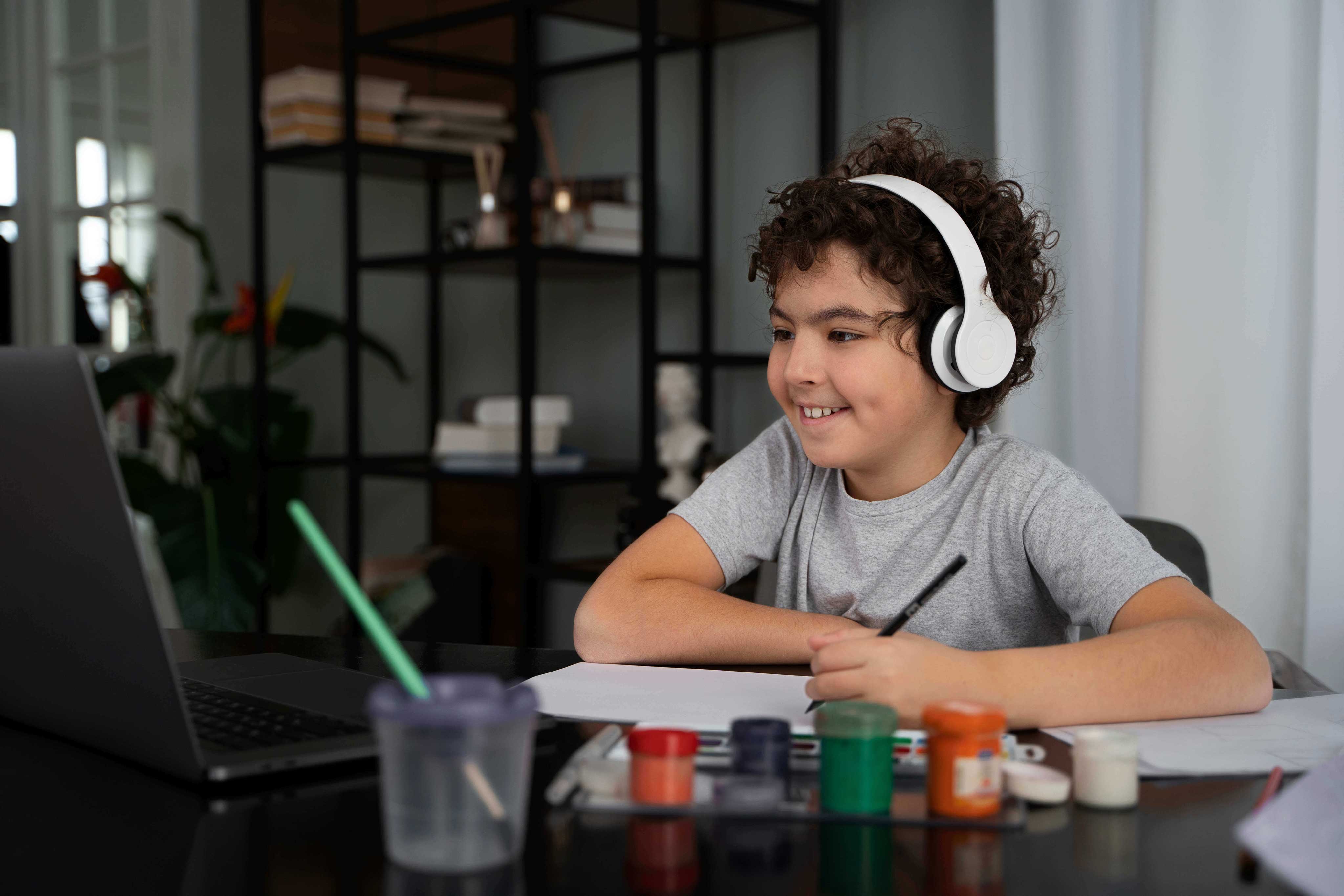
Our virtual program doesn't mean screen-based art. Students engage in authentic art-making experiences including:
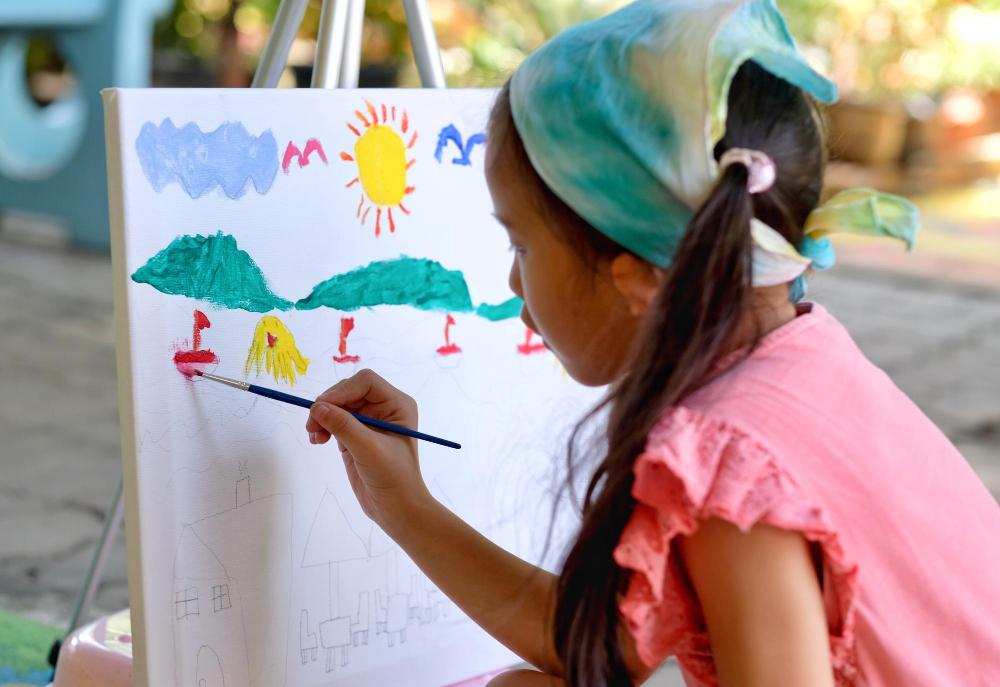
- Drawing and painting techniques using various mediums
- Three-dimensional construction and sculpture
- Textile arts and fiber techniques
- Printmaking and impression methods
- Mixed media approaches and material exploration
Each technique is demonstrated through both live instruction and pre-recorded tutorials that allow students to practice at their own pace.
Preserving the Tactile Experience
We understand the importance of sensory engagement in artistic development. Our curriculum emphasizes:
- Texture exploration through multiple materials
- Physical manipulation of artistic mediums
- Development of fine motor skills through varied techniques
- Material properties and characteristics
- The connection between physical creation and artistic expression
These elements ensure students experience the full sensory dimension of art-making, even in a virtual environment.
Digital Creation Tools and Techniques
Age-Appropriate Digital Art Platforms
Our program incorporates carefully selected digital creation tools appropriate for elementary artists:
- Simple drawing and painting applications for younger students
- More sophisticated digital design tools for upper elementary
- Animation and digital storytelling platforms
- Virtual collaboration spaces for group projects
- Digital portfolio development tools
These resources provide additional creative options while building essential digital literacy skills.
Balancing Traditional and Digital Approaches
We believe in the value of both traditional and digital artistic expression. Our curriculum:
- Introduces parallel concepts across physical and digital mediums
- Explores the unique possibilities of each approach
- Encourages students to select appropriate mediums for specific creative goals
- Demonstrates how traditional and digital techniques can complement each other
This balanced approach prepares students for a world where artistic expression spans multiple formats and platforms.
Building Digital Literacy Through Creative Expression
Digital art creation serves as an engaging context for developing broader technology skills:
- File management and organization
- Digital tool navigation and features
- Media formatting and optimization
- Basic design principles for digital environments
- Safe and ethical digital creation practices
These transferable skills support success across the curriculum and beyond.
Live Instruction and Creative Community
Expert Art Educators
Our elementary art instructors bring exceptional qualifications to the virtual classroom:
- Formal training in visual arts and art education
- Specialized experience teaching elementary-aged students
- Expertise in adapting art instruction for online environments
- Knowledge of diverse artistic traditions and techniques
- Ability to foster creative confidence in young artists
This expertise ensures high-quality instruction that balances technical skill development with creative exploration.
Collaborative Creative Projects
Art at Wellspring is a social experience. Through carefully structured collaborative activities, students:
- Contribute to virtual group murals and installations
- Participate in collective storytelling through visual art
- Provide supportive feedback on peer work
- Experience the power of community creativity
- Develop communication and cooperation skills
These collaborative experiences build community while teaching the value of artistic teamwork.
Building Creative Confidence
Our program emphasizes the development of creative confidence through:
- Process-focused instruction that values exploration over perfection
- Techniques for overcoming creative blocks and fear of mistakes
- Regular opportunities to share work in supportive environments
- Celebration of diverse artistic approaches and solutions
- Recognition of growth and development over time
This approach helps students develop a resilient creative mindset that benefits them across all areas of learning.
The Educational Concierge Advantage for Young Artists
Wellspring's unique Educational Concierge service provides invaluable support for artistic development:
Personalized Creative Development
Your dedicated Educational Concierge works with art instructors to:
- Identify your child's specific artistic interests and strengths
- Address any challenges with particular techniques or materials
- Adjust approaches to match learning styles and preferences
- Provide additional resources for areas of particular interest
This personalized coordination ensures art instruction resonates with your child's unique creative voice.
Family Support and Resource Connection
Educational Concierges help families navigate the art curriculum by:
- Providing advance notice about materials needed for upcoming projects
- Suggesting ways to create art-friendly spaces at home
- Offering guidance for supporting creative exploration
- Connecting families with local art resources and opportunities
This support helps families confidently facilitate artistic development at home.
Identifying and Nurturing Talent
Your Educational Concierge helps recognize and develop specific artistic gifts by:
- Noting areas of exceptional interest or ability
- Suggesting extension activities for further exploration
- Connecting students with specialized instructional resources
- Identifying opportunities for sharing and developing talents
This individualized attention helps each student's unique creative potential flourish.
Cross-Curricular Creative Integration
Art as a Vehicle for Exploring Science
Students use artistic techniques to explore and understand scientific concepts:
- Observational drawing to develop scientific observation skills
- Color theory and the science of light and pigment
- Natural material exploration and properties
- Visual representation of scientific processes and phenomena
These connections deepen understanding of both art and science concepts.
Visual Storytelling in Language Arts
Art becomes a powerful tool for language development through:
- Illustration of original stories and interpretations of literature
- Visual communication of narrative elements
- Symbolic representation of themes and concepts
- Sequential art and comic creation
- Visual journaling and reflection
These approaches offer alternative pathways for literary exploration and expression.
Mathematical Principles in Artistic Design
Students discover the beautiful relationship between mathematics and art through:
- Geometric pattern and tessellation
- Proportion and ratio in composition
- Symmetry and balance exploration
- Three-dimensional form and spatial relationships
- Measurement and precision in design
These connections help students see mathematics as a creative discipline.
Cultural Studies Through Creative Expression
Art becomes a window to understanding diverse cultures through:
- Exploration of traditional art forms from around the world
- Study of how art reflects cultural values and experiences
- Creation of art inspired by various cultural traditions
- Investigation of how art functions in different societies
- Appreciation of diverse aesthetic approaches and values
These experiences build cultural awareness and appreciation for diversity.
Showcasing Student Creativity
Virtual Art Exhibitions
Regular opportunities to exhibit work provide:
- Authentic audiences for student art
- Professional presentation experience
- Celebration of artistic achievements
- Community building through shared appreciation
These exhibitions develop pride in creative accomplishment and connection to the broader school community.
Digital Portfolio Development
Students maintain digital portfolios of their artistic work, including:
- Documentation of both physical and digital creations
- Reflections on creative processes and decisions
- Evolution of skills and approaches over time
- Collections organized by medium, theme, or project
These portfolios showcase growth and develop important documentation skills.
Cross-Grade Collaborations
Students participate in vertical collaborative projects where:
- Younger and older students work together on shared installations
- Multi-age critique sessions provide diverse perspectives
- Cross-grade mentoring builds community and leadership
- School-wide themes unite artists across grade levels
These experiences connect students across the elementary program in meaningful ways.
Beyond the Screen: Encouraging Real-World Creativity
Outdoor Art Exploration
Our curriculum includes regular outdoor components that encourage students to:
- Gather natural materials for art-making
- Create environmental art and installations
- Practice plein air drawing and painting
- Observe and respond to natural forms and patterns
These activities connect digital learning with physical world exploration and appreciation.
Family Creative Projects
We provide opportunities for family art experiences through:
- Family art night activities with simple instructions
- Multi-generational creative challenges
- Collaborative projects that involve household members
- Celebrations of family artistic traditions and practices
These experiences extend art learning beyond school hours and strengthen family bonds.
Community Art Connections
Your Educational Concierge helps identify local arts resources that complement our curriculum:
- Virtual tours of local museums and galleries
- Community arts events and exhibitions
- Local artist spotlights and demonstrations
- Public art installations to visit and discuss
These connections help students see themselves as part of a larger artistic community.
Resources for Families
Supporting Creative Development at Home
All families receive guidance for nurturing creativity, including:
- Tips for creating an art-friendly home environment
- Suggestions for responding to your child's artwork
- Ideas for incorporating creativity into daily life
- Guidance on storing and displaying student art
These resources help parents confidently support artistic development.
Recommended Art Materials
For families interested in expanding their home art supplies, we provide:
- Grade-appropriate supply recommendations
- Budget-friendly options and alternatives
- Information on quality and durability
- Storage and organization suggestions
This guidance helps families make informed decisions about art materials.
Local Arts Opportunities
Your Educational Concierge helps identify community resources that complement our curriculum:
- Art classes and workshops
- Museums and galleries with child-friendly programming
- Arts festivals and events
- Public art installations to visit and discuss
These connections extend learning beyond our virtual classroom.
Frequently Asked Questions
What art supplies will we need to have at home?
Essential supplies are provided in our art kits, shipped to families at the beginning of the school year. Additional household materials are suggested for specific projects, with supply lists provided well in advance. Your Educational Concierge can help you prepare for upcoming projects and suggest alternatives if needed.
How is art assessed in an online environment?
Art assessment focuses on growth, process, and skill development rather than subjective quality judgments. Students document their work digitally, participate in guided reflection activities, and demonstrate understanding of concepts and techniques through both creation and discussion.
Can my child collaborate with others on art projects?
Yes! Our curriculum includes both synchronous collaborative activities during live sessions and opportunities for ongoing project collaboration through our secure digital platform. Your Educational Concierge can help facilitate connections with peers who share similar artistic interests.
How much parent involvement is needed for art activities?
Parent involvement varies by grade level and activity. Younger students may need more assistance with materials and techniques, while older elementary students often work more independently. Clear guidance is provided for each project, and your Educational Concierge can offer additional support as needed.
How do you balance digital and traditional art forms?
Our curriculum intentionally includes both approaches, recognizing the value of tactile art-making experiences and the opportunities that digital tools provide. Students typically spend about 70% of their art time working with physical materials and 30% exploring digital creation, with the balance shifting slightly toward more digital work in upper elementary grades.
Begin Your Child's Creative Journey with Wellspring
Ready to see how your child can thrive as an artist in our virtual learning environment? Wellspring Global Academy is an approved educational provider for Education Savings Account (ESA) programs in Arizona, Arkansas, Louisiana, New Hampshire, Texas, and West Virginia. Our ESA specialists can guide eligible families through utilizing these funds for enrollment.
Experience a Sample Art Lesson
Join one of our upcoming virtual open houses.
Connect with an Educational Concierge
Schedule a personalized consultation to discuss how our art program can be tailored to your child's creative interests and needs: Request a Consultation
Explore Enrollment Options
Learn more about our enrollment process and how to apply: Enrollment Information
At Wellspring Global Academy, we're reimagining what elementary art education can be in a virtual environment—nurturing young artists who express themselves confidently, think creatively, and see the world through the transformative lens of artistic vision.