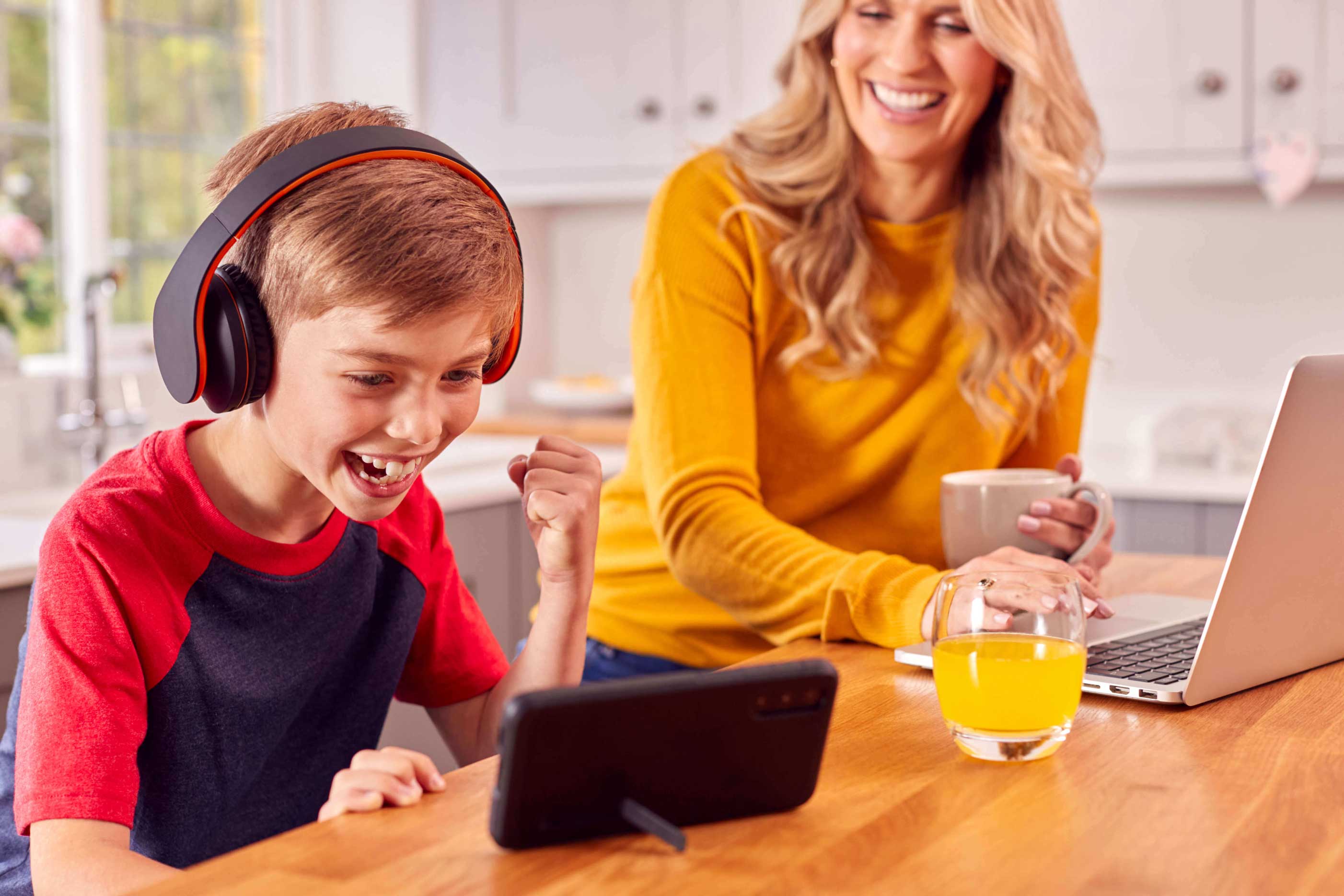
 Making the decision to change schools mid-year is significant for any family. Whether you're considering a switch to online learning due to relocation, health concerns, social challenges, or academic needs, Wellspring Global Academy is prepared to support your family through a seamless transition that prioritizes your child's educational continuity and emotional well-being.
Understanding Mid-Year School Transitions
Changing schools during the academic year brings unique considerations and opportunities:
Common Reasons for Mid-Year Transitions
Families choose mid-year changes for various legitimate reasons:
- Relocation due to job changes or family circumstances
- Addressing bullying or negative social situations
- Seeking better educational fit for learning needs
- Accommodating health conditions or medical needs
- Responding to athletic or performance schedules
- Adjusting to changing family dynamics
- Finding alignment with family values and educational approach
Benefits of Transitioning to Online Learning Mid-Year
Our virtual model offers distinct advantages during transitions:
- Immediate enrollment with rolling admissions
- Geographical flexibility during moves
- Personalized onboarding and academic placement
- Individualized pace to address any learning gaps
- Reduced social anxiety compared to new physical school
- Consistent education during periods of change
- Supportive community designed to welcome newcomers
Key Considerations Before Making the Change
Important factors to evaluate include:
- Timing within current grading periods and credit completion
- Credit transfer policies between schools
- Your child's adaptability to new learning environments
- Technology and space requirements for online learning
- Parent/learning coach availability for support
- Alignment with your child's social and emotional needs
- Long-term educational goals and how the change supports them
The Wellspring Global Academy Transition Process
We've designed a comprehensive approach to welcome new students throughout the year:
Initial Consultation and Planning
Our process begins with understanding your needs:
- Detailed discussion of your reasons for transition
- Review of current academic situation and records
- Explanation of our educational model and approach
- Transparent information about our accreditation status
- Discussion of parent/learning coach responsibilities
- Technology assessment and preparation
- Creation of preliminary transition timeline
Learn more about our overall educational approach and our accreditation journey to understand what to expect at Wellspring Global Academy.
Comprehensive Academic Assessment
We carefully evaluate each student's current level:
- Review of transcripts and school records
- Placement assessments in core subject areas
- Identification of any learning gaps to address
- Recognition of areas for acceleration or enrichment
- Discussion of specialized learning needs and accommodations
- Documentation of partial credits and work in progress
- Development of personalized learning plan
Customized Onboarding Experience
We welcome new students with intentional support:
- Assigned Educational Concierge to guide the transition
- Technology orientation for student and learning coach
- Introduction to teachers and class placement
- Connection with peer mentors and community
- Phased integration into live classes and activities
- Regular check-ins during the adjustment period
- Celebration of the new beginning
Academic Continuity and Credit Transfer
We ensure your child's educational progress continues without disruption:
Seamless Credit Transfer
Our process prioritizes academic continuity:
- Comprehensive credit evaluation from previous school
- Documentation of partial completion where applicable
- Customized plan to complete in-progress courses
- Alignment with graduation requirements
- Strategy for addressing any missing prerequisites
- Alternative demonstration options for partial credits
- Careful record-keeping for future transitions if needed
Addressing Learning Gaps
We identify and address any educational needs:
- Diagnostic assessment to pinpoint specific gap areas
- Targeted instruction to address missing concepts
- Adjusted pacing to allow for skill development
- Supplemental resources for additional practice
- Regular progress monitoring and adjustment
- Strength-based approach that builds confidence
- Celebration of growth and achievement
Curriculum Alignment and Adjustment
We navigate differences between educational approaches:
- Mapping of previous curriculum to our program
- Identification of overlapping and new content
- Customized learning paths to ensure comprehensive coverage
- Flexibility to revisit previously covered material as needed
- Opportunities for acceleration in areas of strength
- Cross-curriculum connections to reinforce learning
- Integration of student interests for increased engagement
Social and Emotional Support During Transition
We understand that school changes affect the whole child:
Building New Connections
We facilitate social integration through:
- Structured introduction to peer groups
- Interest-based clubs and activities
- Collaborative projects with classmates
- Teacher-facilitated social interactions
- Peer mentoring from established students
- Community events and celebrations
- Gradual relationship building in a supportive environment
Addressing Transition Emotions
We support the emotional aspects of change:
- Acknowledgment of feelings about leaving previous school
- Safe spaces to process the transition experience
- Regular check-ins with teachers and staff
- Strategies for managing change-related stress
- Celebration of new opportunities and experiences
- Maintenance of positive memories while embracing new beginnings
- Parent resources for supporting emotional adjustment
For more guidance on creating a supportive environment during this transition, read our guide on creating a successful learning environment at home.
Continuity for Extracurricular Pursuits
We support maintaining important activities:
- Flexible scheduling to accommodate external commitments
- Recognition of learning opportunities in extracurriculars
- Integration of special talents into academic projects
- Opportunities to share outside achievements
- Virtual clubs that align with student interests
- Support for balancing academic and extracurricular priorities
- Documentation of achievements for college applications
Parent Support Through the Transition
We partner with families throughout the adjustment period:
Learning Coach Preparation
We equip parents for their supporting role:
- Clear explanation of learning coach responsibilities
- Training on our learning platform and systems
- Guidance on creating an effective learning environment
- Strategies for supporting independent learning
- Resources for addressing transition challenges
- Connection with other learning coaches for support
- Regular communication with Educational Concierge
Communication Systems
We maintain open lines of communication:
- Weekly updates on transition progress
- Regular check-ins with Educational Concierge
- Direct access to teachers via multiple channels
- Proactive alerts about any adjustment concerns
- Partnership meetings to address emerging needs
- Celebration of transition milestones and successes
- Community connections with other families
For helpful tips on establishing effective routines during this transition, visit our guide on setting up routines for online students.
Grade-Level Transition Considerations
Different ages have unique needs during school changes:
Elementary School Transitions (K-5)
For younger students, we focus on:
- Simplified onboarding appropriate to age
- Concrete explanations of the new learning approach
- Significant parent/learning coach involvement
- Emphasis on connection with new teachers
- Playful introduction to online learning tools
- Consistent routines and clear expectations
- Celebration of new skills and experiences
Visit our elementary program page to learn more about our approach for younger learners.
Middle School Transitions (6-8)
For adolescent learners, we emphasize:
- Recognition of social concerns during transition
- Support for increasing academic independence
- Connection with peers through interest groups
- Attention to organizational and executive function skills
- Opportunities to express identity and preferences
- Regular check-ins about adjustment experiences
- Encouragement of self-advocacy and voice
High School Transitions (9-12)
For older students, we prioritize:
- Careful credit evaluation and graduation planning
- College and career preparation continuity
- Student leadership in the transition process
- Maintenance of extracurricular records for college
- Development of self-management in virtual learning
- Opportunities for advanced coursework continuation
- Preparation for post-secondary transitions
Explore our high school program to understand how we support older students.
Timeline for Successful Transition
A typical mid-year transition follows this general timeline:
Pre-Enrollment Phase (1-2 Weeks)
- Initial consultation and information gathering
- Records request from previous school
- Technology preparation and setup
- Learning environment establishment
- Educational Concierge assignment
- Preliminary academic assessment
- Enrollment completion
First Two Weeks
- Technology orientation and platform training
- Introduction to teachers and classmates
- Establishment of daily routines and expectations
- Beginning of diagnostic assessments
- First live class sessions
- Regular check-ins with Educational Concierge
- Adjustment support as needed
Weeks 3-4
- Completion of academic placement process
- Development of personalized learning plan
- Integration into regular class activities
- Connection with student clubs and social opportunities
- Learning coach check-in and additional support
- Progress monitoring and initial adjustments
- Celebration of first transition milestones
Ongoing Support (Months 1-3)
- Regular progress reviews and plan adjustments
- Deepening of peer relationships and community integration
- Continued monitoring of academic gaps and progress
- Increasing independence in the learning environment
- Normalization of new routines and expectations
- Regular parent-teacher communication
- Long-term educational planning
Frequently Asked Questions
When is the best time during the school year to make a transition?
The ideal timing for a transition depends on your child's specific situation and your current school's structure. Transitions at natural breaking points like semester or quarter ends can simplify credit transfer and reduce content gaps. However, when a current school situation is no longer serving your child's needs, the best time to transition is often "as soon as possible."
At Wellspring Global Academy, our rolling enrollment and personalized onboarding process allow us to welcome students successfully at any point in the academic year. Your Educational Concierge will help you evaluate timing considerations specific to your situation and develop a transition plan that minimizes disruption to your child's learning progression.
How do you handle differences in curriculum between our previous school and Wellspring?
Our transition process includes a thorough evaluation of your child's previous curriculum compared to our program. We identify areas of overlap, gaps, and differences in sequencing or approach. Your child's Educational Concierge then works with our academic team to create a personalized learning plan that addresses these differences. This might include targeted instruction to fill specific content gaps, adjusted pacing to allow for adaptation to new approaches, or opportunities to demonstrate mastery of previously covered material.
Our goal is to ensure your child builds on their existing knowledge while ensuring comprehensive coverage of essential content, all without unnecessary repetition or significant gaps.
How will my child maintain friendships and social connections during a transition?
Social continuity is an important consideration during any school change. Many families find that the flexibility of our program actually allows for more meaningful social opportunities aligned with their child's interests and needs. We encourage maintaining valuable friendships from the previous school through scheduled in-person time, while also facilitating new connections within our learning community through small-group classes, virtual clubs, collaborative projects, and community events.
Your child's Educational Concierge can help develop a social transition plan that considers your child's specific social needs and preferences, ensuring they feel connected and supported throughout the adjustment period.
What support do you provide for students who are struggling emotionally with the change?
We recognize that school transitions can involve complex emotions, including excitement, anxiety, grief for what's being left behind, and uncertainty about new beginnings. Our teachers and Educational Concierges are trained to recognize signs of transition stress and provide appropriate support. This includes regular check-ins, safe spaces to discuss feelings, and strategies for managing change-related emotions.
For students needing additional support, we can recommend resources and approaches tailored to their specific needs. We also provide parents with guidance on supporting their child's emotional adjustment, recognizing that you know your child best and are their primary source of stability during times of change.
How long does it typically take for students to adjust to online learning?
Adjustment timelines vary based on the student's age, learning style, previous experience with technology, and reason for the transition. Generally, most students become comfortable with the basic technology and routines within 2-3 weeks. Deeper adjustment—including developing effective independent learning skills, building new relationships, and fully engaging with the curriculum—typically takes 1-3 months. Some students adapt almost immediately, while others need more time and support.
Our personalized approach allows us to meet each student where they are in the adjustment process, providing additional support when needed and opportunities for advancement when ready. Throughout this period, your Educational Concierge will provide regular updates and guidance to support a successful transition.
School Transition Success Stories
While we maintain confidentiality about specific student outcomes, these examples illustrate successful mid-year transitions:
Example scenario: A family relocating due to a parent's job might experience a smooth transition through our program, maintaining educational continuity despite the move and allowing the student to complete the academic year without disruption while settling into their new location.
Example scenario: A student struggling with social challenges in their previous school environment might find renewed academic engagement and confidence in our supportive online community, where the focus shifts to learning rather than social dynamics, resulting in improved academic performance and emotional well-being.
Example scenario: A student with specialized learning needs might benefit from our personalized approach after transitioning schools mid-year, receiving targeted support to address previously unmet needs while progressing at an appropriate pace in areas of strength, leading to a more positive educational experience overall.
Ready for a Smooth Mid-Year Transition?
Discover how Wellspring Global Academy can provide a seamless educational change for your child, with personalized support every step of the way. Our program is approved for Education Savings Account (ESA) funding several states, and expanding. Visit our ESA information page for the most updated information on eligible states and application processes.