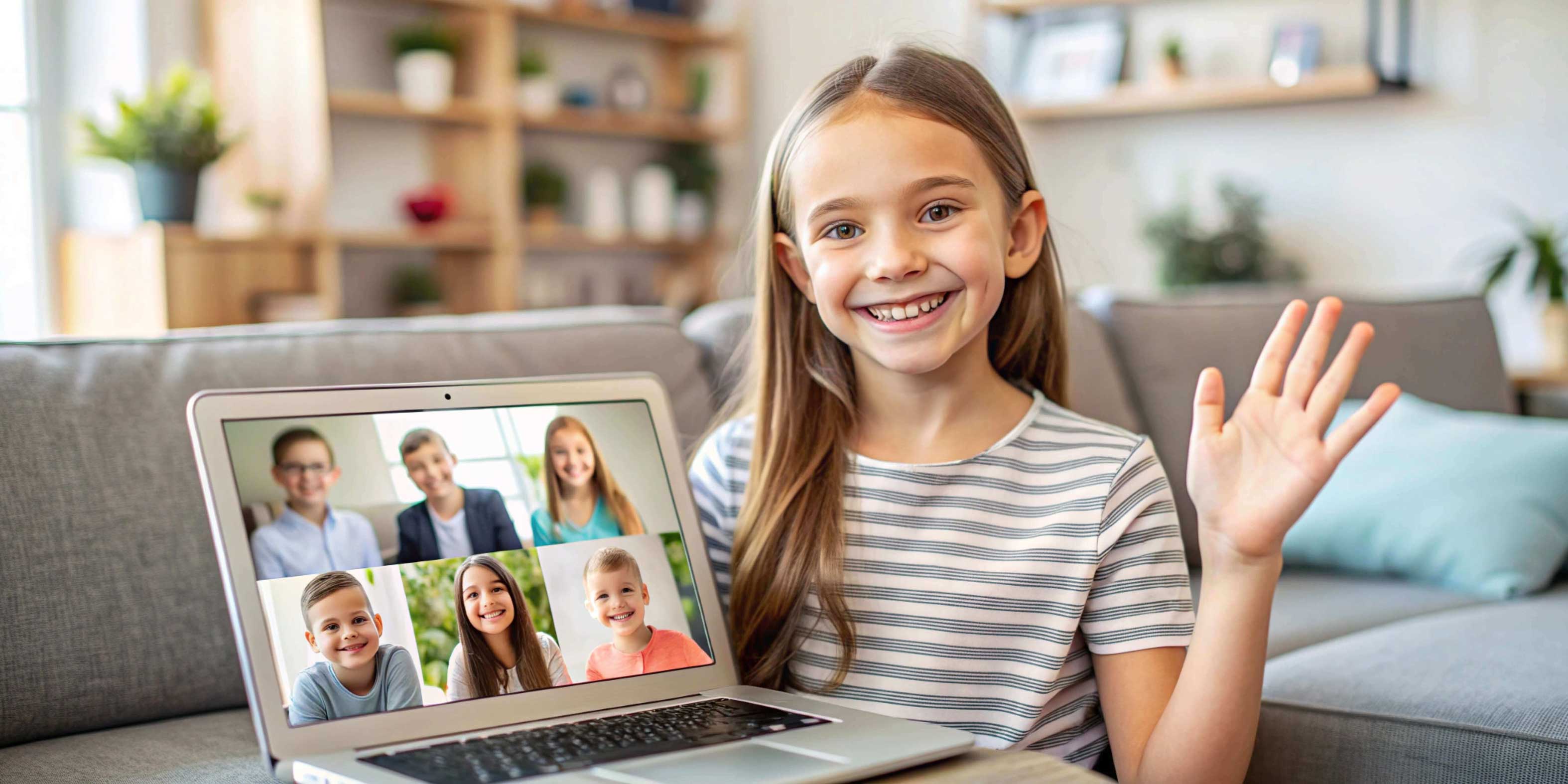
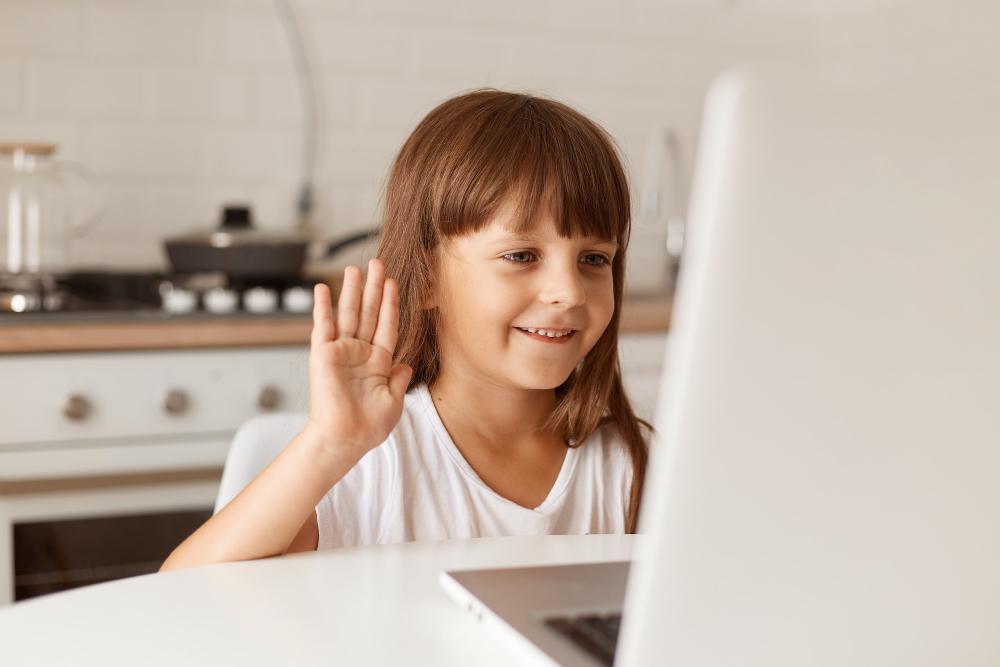
 At Wellspring Global Academy, we recognize that social connection is fundamental to student well-being and academic success. Our comprehensive approach to social development ensures that students build meaningful relationships, develop essential social skills, and experience a genuine sense of community—even in a virtual environment.
Fostering Meaningful Relationships in an Online Learning Environment
Through purposeful program design, innovative technology use, and a commitment to relationship-building, we've created a vibrant school community where students feel seen, heard, and connected to both peers and teachers. Far from being isolated behind screens, our students engage in rich social interactions that support their development as confident, empathetic individuals.
Our Social Connection Framework
Intentional Community Building
Social connection at Wellspring isn't left to chance. Our program incorporates structured community development through:
- Thoughtfully designed orientation experiences that establish relationships from day one
- Regular community gatherings that build school identity and spirit
- Grade-level teams that provide a consistent social group
- Advisory programs that ensure every student is known well
- School-wide traditions and celebrations that create shared experiences
These intentional structures create a foundation for organic social connections to flourish.
Balanced Synchronous Interaction
Our academic approach balances independent learning with significant synchronous (real-time) interaction:
- Daily live sessions prioritizing student-to-student interaction
- Small group collaboration in breakout rooms
- Whole-class discussions and activities
- Partner work and peer teaching opportunities
- Student presentations and leadership roles
This regular face-to-face interaction builds relationships while developing crucial communication skills.
Dedicated Social Spaces
Beyond academic classes, we provide structured opportunities for social connection:
- Virtual student lounges for casual interaction
- Special interest clubs and activity groups
- Student-led organizations and initiatives
- Grade-level social events and gatherings
- Monitored social platforms for age-appropriate connection
These dedicated spaces allow relationships to develop through shared interests and informal interaction.
Beyond-the-Screen Connections
We extend community beyond digital spaces through:
- Regional in-person meetups where geographically possible
- Coordinated local activities for families in the same area
- Pen pal programs connecting students through physical mail
- Collaborative projects with tangible components
- Community service initiatives with local impact
These experiences complement online interaction with real-world connection.
Social Development Across Grade Levels
Elementary Program Social Development
In our elementary program, young students develop foundational social skills through:
- Morning meetings that build classroom community
- Structured friendship-building activities
- Guided practice in conversation and collaboration
- Teacher-facilitated small group interaction
- Play-based social skill development
- Age-appropriate digital citizenship education
These developmentally appropriate approaches help young students navigate social relationships in digital spaces.
Middle School Social Connection
Our middle school program addresses the crucial social needs of early adolescents through:
- Advisory groups providing consistent peer connections
- Interest-based clubs aligning with developing identities
- Structured discussions on relevant social topics
- Digital leadership opportunities
- Collaborative projects requiring substantive teamwork
- Guidance in navigating social dynamics
These supports help students manage the complex social landscape of early adolescence while developing online relationship skills.
High School Community Building
Our high school program prepares students for adult social contexts through:
- Student governance and leadership opportunities
- Mentor relationships with younger students
- Professional networking and connection skills
- Complex collaborative projects mirroring workplace teams
- Social events planned and implemented by students
- Community partnerships and service initiatives
These experiences develop the sophisticated social skills needed for college, career, and civic engagement.
The Educational Concierge Advantage for Social Connection
Wellspring's unique Educational Concierge service provides invaluable support for social development:
Personalized Social Integration
Your dedicated Educational Concierge facilitates social connection by:
- Identifying clubs and activities matching your child's interests
- Facilitating connections with peers sharing similar passions
- Supporting navigation of new social environments
- Helping resolve any social challenges that arise
- Ensuring participation in appropriate community events
This personalized approach helps each student find their place in our school community.
Social Skill Development Support
Educational Concierges support social growth by:
- Identifying opportunities to practice specific social skills
- Providing resources for developing areas of social challenge
- Facilitating communication between families and teachers about social needs
- Suggesting appropriate social activities based on student readiness
- Monitoring social integration and adjustment
This support ensures each student develops the social capabilities they need to thrive.
Local Connection Facilitation
Your Educational Concierge helps extend online relationships to local contexts by:
- Connecting families in similar geographic regions
- Providing information about regional meet-up opportunities
- Suggesting local activities that complement online learning
- Facilitating parent networking for local social support
- Identifying community resources for social development
These local connections complement online relationships with in-person interaction where possible.
Technology for Meaningful Connection
Secure Social Platforms
We utilize age-appropriate, education-specific platforms that:
- Provide secure, monitored spaces for student interaction
- Offer tools specifically designed for educational collaboration
- Include appropriate safeguards and visibility for staff oversight
- Teach transferable digital communication skills
- Build digital citizenship through authentic practice
These secure environments allow students to develop online social skills within appropriate boundaries.
Synchronous Connection Tools
Our live interaction platforms include features that facilitate genuine connection:
- Small group breakout rooms for deeper conversation
- Multimedia sharing capabilities for personal expression
- Interactive whiteboards for collaborative creation
- Reaction tools providing emotional expression
- Polling and response features ensuring every voice is heard
These tools create dynamic virtual spaces where meaningful relationships can develop.
Asynchronous Communication Channels
Beyond live sessions, students connect through:
- Moderated discussion boards focused on academic and interest topics
- Collaborative project platforms with communication tools
- Peer feedback systems for academic work
- Shared digital portfolios showcasing learning and interests
- Monitored student forums for age-appropriate social interaction
These channels extend conversation and collaboration beyond scheduled class times.
Structured Social Learning Opportunities
Advisory Program
All students participate in regular advisory groups that provide:
- Consistent small community with a dedicated advisor
- Structured activities building group cohesion
- Guided discussions on social-emotional topics
- Peer support and problem-solving practice
- Celebration of individual and group achievements
This program ensures every student is known well and has a home base within our larger community.
Clubs and Interest Groups
Students connect through a wide variety of interest-based groups:
- Academic interest clubs extending classroom learning
- Hobby and recreational interest groups
- Arts and creative expression communities
- Technology and innovation teams
- Gaming and e-sports groups with appropriate oversight
- Service and leadership organizations
These groups allow students to build relationships around shared passions while developing collaborative skills.
Student Leadership Opportunities
Students develop leadership capabilities through:
- Student government and policy input
- Club leadership roles and activity planning
- Peer tutoring and mentoring programs
- Project team leadership experiences
- School event organization and implementation
- Community outreach and service coordination
These opportunities develop social confidence while creating student ownership of school culture.
Cross-Grade Connections
We foster relationships across age groups through:
- Structured mentoring programs pairing older and younger students
- Multi-age clubs and interest groups
- School-wide events and traditions
- Cross-grade collaborative projects
- Student-led workshops and skill sharing
- All-school celebrations and assemblies
These connections build a sense of continuity and community across the school while providing leadership opportunities for older students.
Social-Emotional Learning Integration
Explicit Skill Instruction
Students develop crucial social-emotional skills through:
- Dedicated advisory curriculum addressing key social competencies
- Integration of social skill development in academic contexts
- Direct instruction in communication and conflict resolution
- Digital citizenship and online relationship navigation
- Emotional literacy and self-regulation strategies
This explicit instruction builds the foundational skills needed for healthy relationships.
Real-World Application
Students apply social-emotional skills in authentic contexts:
- Collaborative academic projects requiring social competencies
- Service learning initiatives developing empathy and perspective
- Peer mediation and problem-solving opportunities
- Community building activities requiring teamwork
- Leadership roles demanding responsible decision-making
These applications help students internalize skills through meaningful practice.
Reflection and Growth
Students develop social awareness through structured reflection:
- Self-assessment of social-emotional competencies
- Feedback processes for collaborative work
- Guided reflection on social interactions and dynamics
- Goal setting for relationship and community skills
- Celebration of social growth and achievement
This reflective practice deepens understanding and promotes ongoing development.
Family Partnership for Social Development
Community Engagement Opportunities
Families are valued members of our school community with opportunities to:
- Participate in parent connection groups and forums
- Attend family social events (both virtual and regional in-person)
- Contribute to school traditions and celebrations
- Volunteer in appropriate virtual contexts
- Participate in parent education and discussion groups
These opportunities help families connect while supporting school community development.
Supporting Social Growth at Home
We provide resources to help families reinforce social development:
- Guidance for supporting online friendships
- Strategies for extending school connections to local contexts
- Resources for addressing common social challenges
- Communication tools for discussing online interactions
- Recommendations for complementary in-person social opportunities
This partnership approach strengthens social development through coordinated support.
Local Connection Resources
Families receive support for extending online relationships locally:
- Regional family directories (opt-in basis with privacy protections)
- Information about regional meetup opportunities
- Resources for local activities complementing online learning
- Guidance for organizing informal gatherings
- Connections to local educational resources and programs
These resources help families build local support networks while extending online relationships.
Frequently Asked Questions
How do students make friends in a virtual school environment?
Students build friendships through multiple channels: daily live classes with consistent peer groups, interest-based clubs and activities, structured social events, small group projects, and advisory programs. Many students report that the intentional community-building in our program actually facilitates deeper friendships than they experienced in traditional schools, where social connections were often limited by physical proximity rather than shared interests and values.
Will my child feel isolated or lonely in an online program?
Our comprehensive approach to community building specifically addresses the potential for isolation. Through intentional program design, significant synchronous interaction, and multiple channels for connection, students develop genuine relationships and community belonging. Our Educational Concierge team monitors social integration and provides additional support if any student shows signs of disconnection.
How do you handle social conflicts or issues that arise online?
Just as in any school, social challenges occasionally arise. Our approach includes proactive teaching of digital citizenship and online communication skills, clear community guidelines and expectations, monitoring of student interactions by qualified staff, and prompt, restorative intervention when needed. Students learn valuable skills in navigating digital relationships that prepare them for increasingly online personal and professional worlds.
Can students participate in extracurricular activities?
Absolutely! We offer a wide range of virtual clubs, interest groups, and student organizations. Additionally, our flexible scheduling allows students to participate in local extracurricular activities, community programs, and specialized training in their areas of interest. Many families appreciate the ability to combine Wellspring's academic program with locally-based activities that match their children's specific passions.
How do you create school culture and traditions virtually?
We've developed meaningful virtual traditions and celebrations that build school identity and community pride. From our annual back-to-school festival to seasonal celebrations, student achievement recognitions, and culminating events, these shared experiences create a tangible school culture. Additionally, our physical school merchandise, mailed student recognitions, and occasional regional in-person events reinforce school identity beyond digital spaces.
Join Our Connected Learning Community
Ready to see how your child can thrive socially in our virtual learning environment? Wellspring Global Academy is an approved educational provider for Education Savings Account (ESA) programs in Arizona, Arkansas, Louisiana, New Hampshire, Texas, and West Virginia. Our ESA specialists can guide eligible families through utilizing these funds for enrollment.
Experience Our Community in Action
Join one of our upcoming virtual open houses to see how students connect in our program.
Connect with an Educational Concierge
Schedule a personalized consultation to discuss how our approach to social connection can support your child's needs: Request a Consultation
Explore Enrollment Options
Learn more about our enrollment process and how to apply: Enrollment Information
At Wellspring Global Academy, we're reimagining what a school community can be in a virtual environment—creating spaces where students develop meaningful relationships, build essential social skills, and experience the connection and belonging that are fundamental to educational success.