
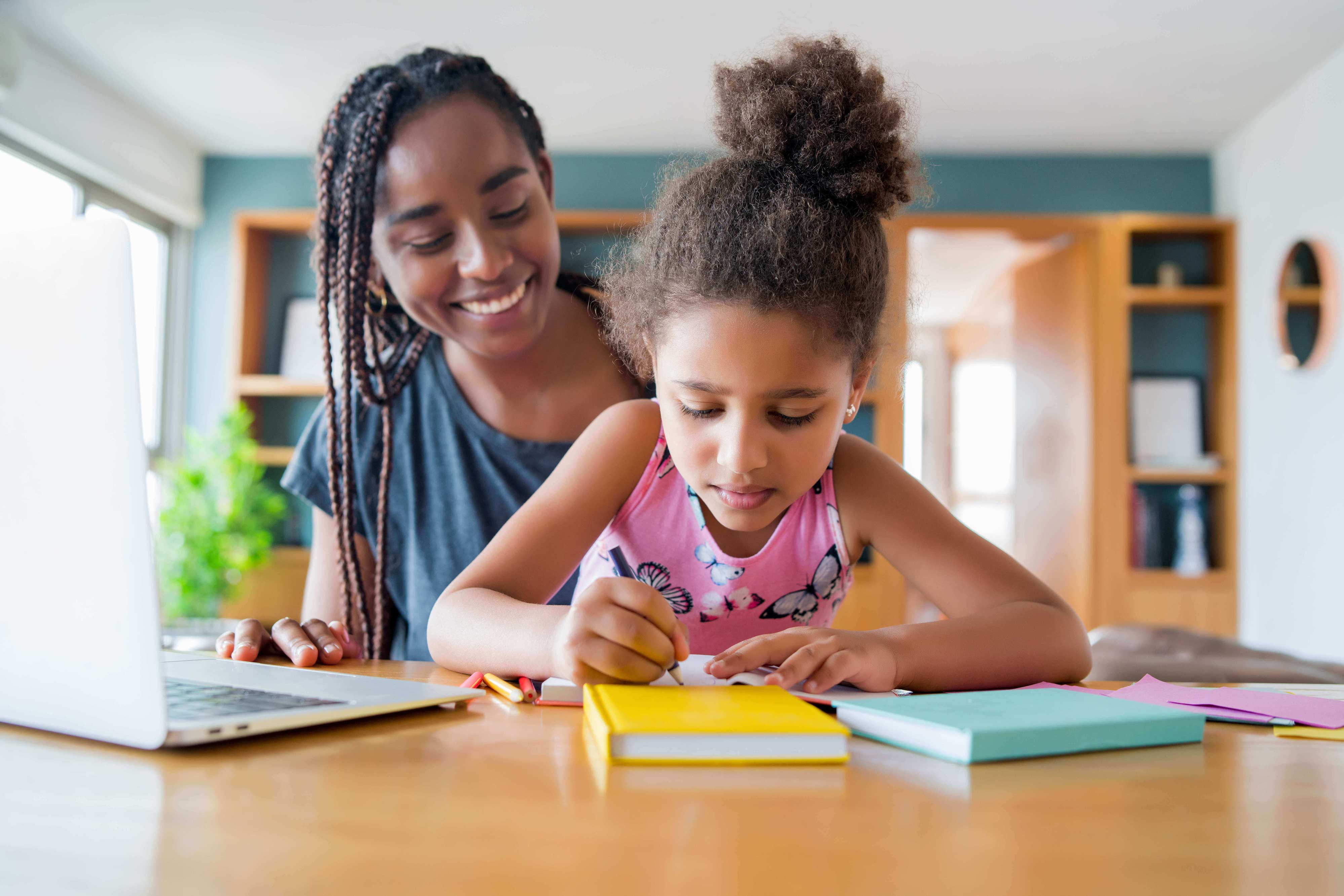
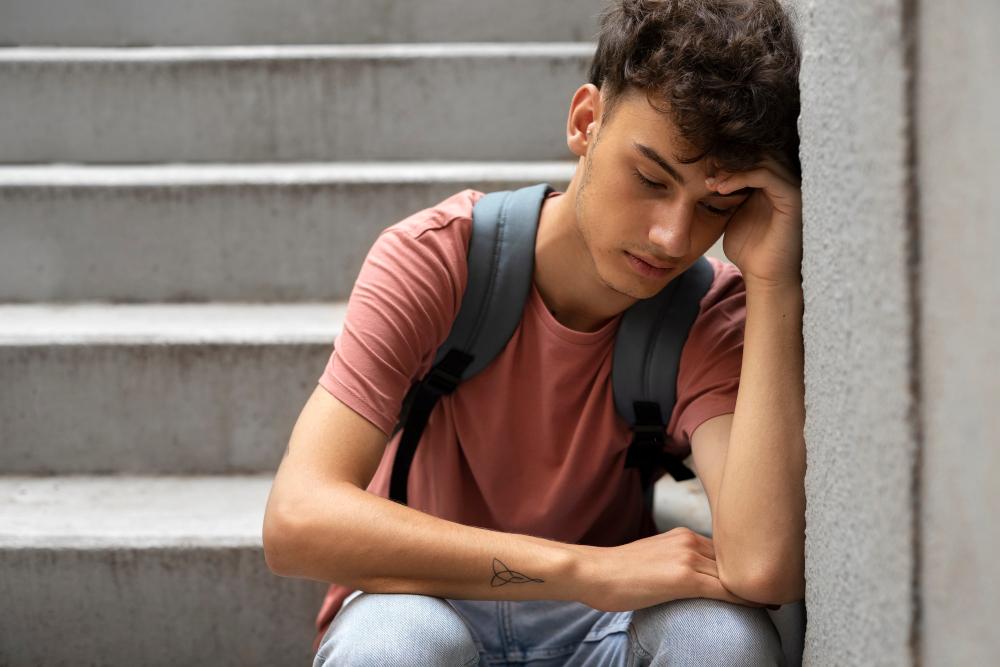
 Your child complains of stomachaches every Sunday night. Getting them out the door each morning involves tears or battles. They're smart, capable kids, but something about school makes them miserable. You've tried everything—meetings with teachers, counselor visits, even switching classrooms—but the anxiety persists.
What if the problem isn't your child? What if it's the environment?
Traditional schools, for all their benefits, create anxiety-inducing situations that have nothing to do with actual learning. The social navigation. The sensory overload. The constant performance pressure in front of peers. The rigid schedules that don't accommodate how individual children actually process stress.
At Wellspring Global Academy, we've seen hundreds of anxious students blossom when the environmental stressors disappear. They're still challenged academically—often more so than before—but they're learning in environments where they can actually breathe.
Understanding School Anxiety
School anxiety isn't about disliking homework or preferring video games to classes. It's genuine distress that manifests in physical symptoms, behavioral changes, and emotional overwhelm.
You might see it as Sunday night stomachaches that mysteriously disappear on Saturday mornings. Morning meltdowns or power struggles about getting ready. Perfectionism that leads to hours spent on assignments or complete avoidance of challenging work. Social withdrawal or dramatic personality changes at school versus home. Sleep disruption, changes in eating patterns, or regression in previously mastered skills.
Some children can articulate what's wrong: "Everyone stares at me when I present." "The cafeteria is too loud." "I'm afraid of getting answers wrong in front of the class." Others can't explain it—they just know that school feels bad in a way they can't describe.
And here's what parents need to understand: this isn't weakness or manipulation. School anxiety is a real response to environments that genuinely feel threatening to some children's nervous systems. The crowding. The unpredictability. The constant social evaluation. The lack of control. For some kids, these create legitimate fight-or-flight responses.
What Makes Traditional School Anxiety-Inducing
Let's be specific about what triggers anxiety in traditional school settings, because understanding this helps explain why online learning offers solutions.
Social Performance Pressure
In traditional classrooms, every mistake is public. Stumble over a word while reading aloud, and twenty-five peers hear it. Give a wrong answer, and everyone knows. Present in front of the class, and every moment of nervousness is visible.
For anxious children, this constant performance pressure is exhausting. They're not just learning math—they're managing how others perceive them while learning math. That dual cognitive load interferes with actual learning and feeds anxiety.
Sensory Overload
Schools are loud. Fluorescent lights hum and flicker. Hallways echo with hundreds of voices. Cafeterias assault multiple senses simultaneously. Fire drills create jarring noise without warning. For children with sensory sensitivities, school becomes an eight-hour endurance test.
Even children without diagnosed sensory processing issues can find school overwhelming. The constant stimulation. The lack of quiet. The inability to control their environment. It's draining.
Social Navigation Complexity
The social ecosystem of traditional school is remarkably complex. Who sits where at lunch matters. Who partners with whom for projects affects social standing. Friendship groups form and shift. Bullying happens—sometimes obvious, sometimes subtle.
For socially anxious children, navigating this daily is like walking through a minefield. Will they have someone to sit with? Will they be picked for teams? Will they face teasing or exclusion? The social cognitive load competes with academic cognitive load.
Rigid Schedules That Ignore Individual Needs
School schedules don't accommodate how different children process and manage stress. The child who needs movement breaks every twenty minutes sits still for hour-long blocks. The student who needs processing time before answering questions faces teachers demanding immediate responses. The kid whose anxiety peaks in mornings faces their hardest subjects first period.
Everyone must move at the same pace, participate in the same way, and demonstrate understanding on the same timeline. For anxious children who need flexibility to manage their stress, this rigidity is itself anxiety-producing.
Testing and Performance Evaluation
High-stakes testing creates anxiety even in confident students. For already-anxious children, tests can trigger full panic attacks. The ticking clock. The knowledge that this one performance determines grades. The fear of disappointing parents or teachers. The physical response—racing heart, sweating palms, blank mind—that makes performing well nearly impossible even when they know the material.
How Online Learning Reduces Anxiety
Wellspring's online model doesn't eliminate all stress—learning inherently involves some discomfort and challenge. But it removes the environmental and social stressors that trigger anxiety without contributing to actual education.
Private Learning Environment
The most immediate difference anxious students notice: nobody's watching them. When they make mistakes, it's between them and their teacher—not broadcast to peers. When they need extra time to process a question, they take it without feeling others' impatience. When they don't understand something, they can ask for help without worrying about looking stupid.
This privacy transforms learning. Students take risks they'd never take in traditional classrooms. They ask questions. They make guesses. They struggle productively instead of shutting down from fear of judgment.
One of our seventh-graders had panic attacks before every in-person presentation. With Wellspring, she presents via recorded video that she can re-record until she's satisfied. She's still building presentation skills—but without the panic attacks that previously made learning impossible.
Controlled Sensory Environment
At home, students control their sensory environment. Want to work in complete silence? You can. Need background music? Play it. Prefer natural light to fluorescent? Work by a window. Need movement breaks? Take them.
For students with diagnosed sensory processing disorders, this control is transformative. But even students without formal diagnoses benefit from learning in environments they can adjust to their needs and preferences.
Simplified Social Dynamics
Online learning doesn't eliminate socialization—students interact through live class sessions, virtual clubs, discussion boards, and collaborative projects. But it dramatically simplifies the social landscape.
There's no cafeteria politics. No hallway drama. No worrying about who to sit with on the bus. Social interactions become more focused and manageable: engaging with content together, collaborating on projects, discussing ideas in safe structured formats.
Many anxious students find they actually socialize better online. Without the overwhelming complexity of traditional school social dynamics, they can form genuine connections based on shared interests and ideas rather than geographic proximity and social survival.
Flexible Pacing and Scheduling
Online learning accommodates how individual students actually learn and manage stress. The student who needs frequent breaks takes them. The child whose anxiety peaks in mornings starts work at 10:00 AM after morning calming routines. The student who needs to process material slowly can do so without pressure to keep pace with a class moving forward.
This flexibility doesn't mean lower standards or easier work. It means students can engage with rigorous content in ways that work for their specific brains and nervous systems.
Reduced Performance Pressure
Assessment at Wellspring focuses on actual learning rather than performative demonstration on arbitrary timelines. Students can show understanding through diverse formats: written work, projects, presentations, discussions. They have time to do their best work rather than proving knowledge in high-pressure, time-limited situations.
For anxious students, this approach reveals what they actually know rather than how they perform under stress. Often, families discover their children understand far more than traditional testing ever showed.
What Parents Should Know
If you're considering online learning for an anxious child, here are truths based on our experience with hundreds of families:
Online learning isn't easier—it's different. Academic expectations remain high. Students still face challenging content, complete substantial work, and demonstrate mastery. The difference is that they do this without environmental stressors that trigger anxiety responses interfering with learning.
Transition takes time. Many anxious students need weeks or even months to trust that this new environment is genuinely safe. They expect the same stressors they've always faced. When those stressors don't appear, they sometimes don't know how to respond. Patience during this adjustment period is essential.
Anxiety may not disappear completely. If your child has anxiety disorder, online learning addresses environmental triggers but doesn't cure the underlying condition. Many families find that removing school stressors makes therapy and other interventions more effective, but online learning isn't a replacement for appropriate mental health treatment when needed.
Social skills still develop. Concerned parents often ask, "Won't my child miss opportunities to overcome social anxiety?" Here's the thing: throwing anxious children into overwhelming social situations doesn't cure anxiety—it reinforces it. Social skills develop better when children can practice in manageable, supported situations that don't trigger full anxiety responses. Online learning provides these opportunities while removing overwhelming elements.
Academic confidence often improves. When anxiety doesn't interfere with learning, many students discover they're more capable than they realized. A student who appeared to struggle academically might have been struggling with anxiety that blocked their ability to demonstrate knowledge. Once that barrier reduces, academic performance often improves dramatically.
Supporting Your Anxious Learner at Home
Online learning creates opportunities for anxious students to thrive, but parents play important roles in facilitating that success.
Create Genuinely Calm Learning Spaces
This isn't just about having a desk. It's about creating an environment where your child's nervous system can settle. Some children need pristine quiet. Others focus better with background music. Some want windows with natural views. Others prefer cozy enclosed spaces. Pay attention to what actually helps your child feel calm, not what you think should work.
Honor Individual Rhythms
If your child's anxiety peaks at certain times of day, structure learning around that reality rather than fighting it. Morning anxiety? Start the day with calming routines before academics. Afternoon slumps? Tackle challenging subjects in the morning. Each child's rhythm differs.
Celebrate Risk-Taking, Not Just Success
For anxious children, trying something new or difficult is the victory—whether they succeed or not. Celebrate attempts. Praise courage. Make it safe to struggle. This mindset shift helps anxious children develop resilience instead of perfectionism.
Maintain Connection Without Hovering
Anxious children often need parental presence without pressure. Being nearby while they work provides security. Checking in regularly shows care. But hovering and correcting every mistake increases anxiety. Find the balance your child needs.
Work Closely With Your Educational Concierge
Your Educational Concierge becomes your partner in supporting your anxious learner. They coordinate with teachers about your child's needs, identify when additional support might help, celebrate progress you might not notice, and adjust expectations when anxiety genuinely interferes with learning rather than just pushing through regardless of your child's state.
Real Results With Anxious Students
We don't claim that online learning cures anxiety. But we've seen remarkable transformations when environmental stressors decrease.
The eighth-grader who had morning panic attacks about school and now completes work calmly at home. The fifth-grader who was so anxious about reading aloud that she developed stomachaches and now confidently reads during small-group sessions. The high schooler whose anxiety about college was compounded by daily school stress and now focuses on actual college preparation rather than just surviving each day.
These students are still challenged academically. They still face the productive discomfort that comes with learning new material. But they're not fighting environmental anxiety at the same time they're trying to learn calculus or write essays or understand chemistry.
When Online Learning Might Not Be Enough
We want to be honest: online learning is powerful for reducing school-related anxiety triggers, but it's not a complete solution for all anxiety.
If your child has generalized anxiety disorder, social anxiety that extends beyond school, OCD, panic disorder, or other diagnosed anxiety conditions, online learning should be part of a comprehensive treatment approach that likely includes therapy and possibly medication. The reduction in school stressors often makes other treatments more effective, but online learning isn't a replacement for appropriate mental health care.
Some children's anxiety stems from family dynamics, traumatic experiences, or other factors unrelated to school environments. Online learning won't address these underlying causes, though it may reduce overall stress levels enough to make addressing root causes more manageable.
Work with mental health professionals to determine whether online learning is appropriate for your child's specific situation.
Ready to Explore a Calmer Approach to Education?
If your child's school anxiety is breaking your heart and disrupting your family, know that you have options. Online learning isn't giving up on education—it's finding an educational environment where your child can actually learn instead of just surviving.
Wellspring Global Academy has worked with countless anxious students who discovered they could love learning when anxiety-inducing environmental factors decreased. Our flexible, personalized approach creates space for students to develop both academic skills and emotional resilience.
Schedule a consultation to discuss your child's specific situation and whether online learning might provide the environment where they can genuinely thrive—academically and emotionally.
Your child's anxiety is real. So is their potential. Sometimes all they need is the right environment to let that potential shine.