Each morning, millions of students with social anxiety face a familiar dread as they prepare for school. The crowded hallways, unexpected social interactions, pressure to speak in front of peers, and constant social evaluation create an environment where learning becomes secondary to survival. For these students, traditional classroom settings often amplify anxiety rather than address educational needs.
Recent studies indicate that social anxiety affects approximately 9-15% of children and adolescents, making it one of the most common mental health challenges in educational settings. Yet traditional schools often lack the flexibility to accommodate these students' needs, leading to academic underachievement, school avoidance, and long-term impacts on educational and career trajectories.
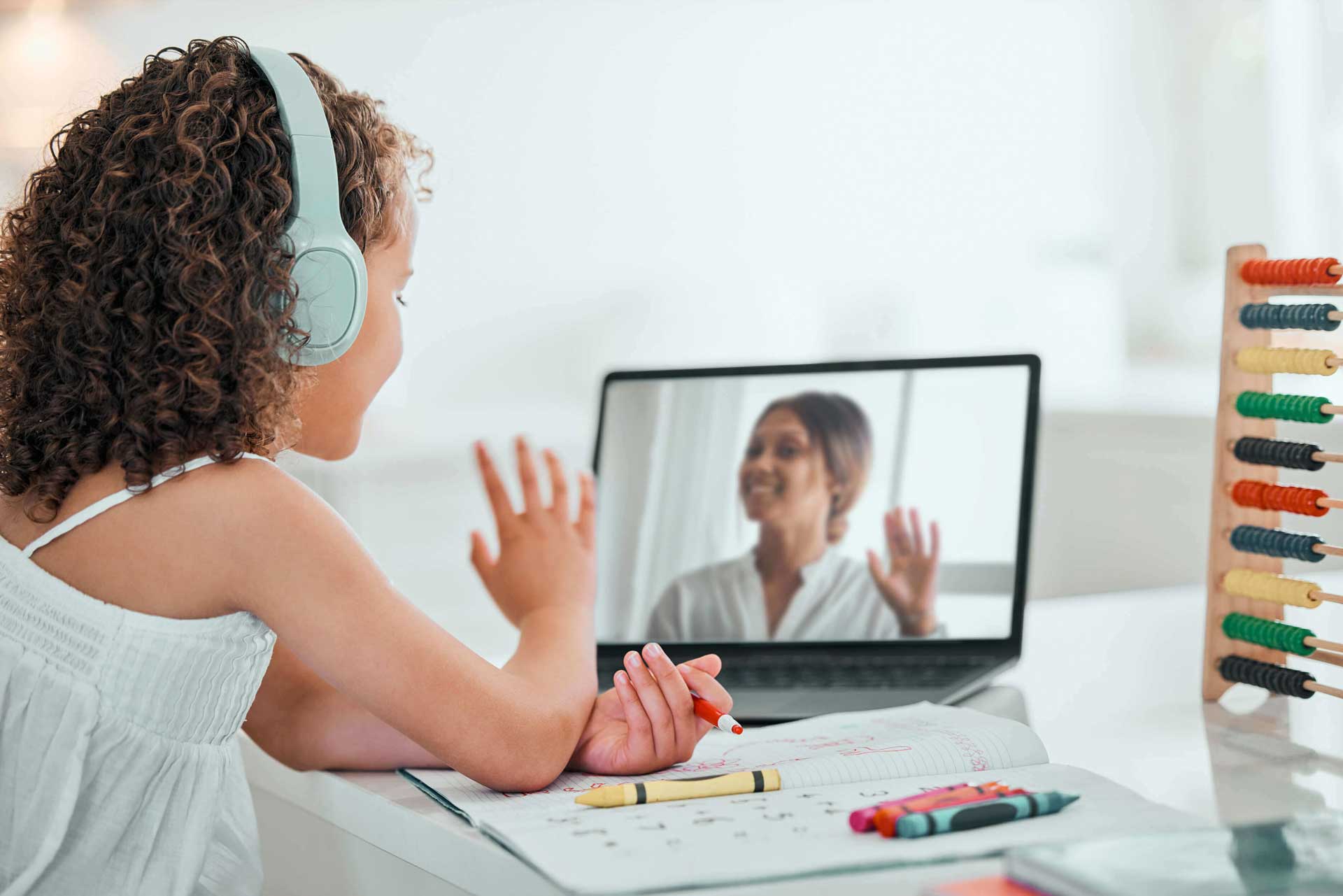
Online education offers a transformative alternative, providing supportive learning environments where socially anxious students can focus on academic growth while developing confidence and social skills at their own pace. Understanding how virtual learning supports these students can help families make informed educational decisions that prioritize both academic excellence and emotional wellbeing.
1. Social Anxiety in Educational Settings
Social anxiety disorder goes far beyond typical shyness or nervousness in social situations. Students with social anxiety experience intense fear of judgment, embarrassment, or humiliation in social or performance-based situations. In traditional classroom environments, this anxiety can manifest in numerous ways that directly interfere with learning.
Common classroom triggers for socially anxious students:
- Being called upon unexpectedly to answer questions
- Participating in group discussions or presentations
- Eating lunch with peers in crowded cafeterias
- Participating in physical education classes
- Navigating social dynamics during class transitions
- Reading aloud or presenting projects in front of the class
- Working in small groups with unfamiliar classmates
The constant vigilance required to manage these situations leaves little mental energy available for actual learning. Students with social anxiety often develop negative associations with learning environments, viewing school as a source of stress rather than growth.
Traditional classroom management techniques—like calling on random students, public recognition of achievements or mistakes, and competitive group activities—may inadvertently increase anxiety for vulnerable students. While these approaches may motivate some learners, they can be counterproductive for students whose anxiety response is triggered by public attention or performance pressure.
Understanding these dynamics helps explain why online education can be so transformative for socially anxious students. By removing many environmental stressors, virtual learning creates space for these students to engage with academic content without the constant anxiety management required in traditional settings.
2. Creating a Comfortable Learning Environment at Home
The physical and emotional safety of learning from home provides immediate benefits for students with social anxiety. In their familiar environment, students can focus on academics without the hypervigilance required to navigate complex social dynamics and potential judgment from peers.
Home-based learning eliminates common anxiety triggers:
- No concern about appearing "different" to peers
- No unexpected social interactions during transitions
- No pressure to conform during lunch periods or group activities
- Ability to take breaks without drawing attention or requiring permission
- Control over noise levels and environmental distractions
- Access to calming tools and personal comfort items
The ability to customize physical learning environments also supports anxiety management. Students can choose seating that feels comfortable, control noise levels, have access to calming tools or strategies, and take breaks when needed without drawing attention or requiring permission.
Parents play a crucial role in creating supportive home learning environments. Wellspring's comprehensive parent resources provide guidance for families in creating optimal home learning environments that minimize anxiety while maximizing learning potential.
The psychological benefit of learning in a "safe space" cannot be overstated. When students don't need to expend energy managing social anxiety, they have more cognitive resources available for engaging with academic content, developing critical thinking skills, and exploring intellectual interests.
3. Gradual Social Skill Building Through Online Platforms
One common misconception about online education is that it isolates students or prevents social development. In reality, well-designed virtual learning programs provide structured opportunities for social skill building that can be more effective than traditional classroom interactions for anxious students.
Progressive participation options in virtual learning:
- Begin with written chat participation before verbal contributions
- Control audio and video settings based on comfort level
- Participate in small breakout groups rather than large classroom discussions
- Practice presentation skills with familiar teachers before peer audiences
- Engage in collaborative projects with clear structure and expectations
Virtual classroom participation offers a gentler introduction to academic discussions. Students can contribute through chat functions before feeling comfortable with verbal participation. This allows them to organize their thoughts, build confidence in their ideas, and gradually work toward more spontaneous interaction as comfort levels increase.
Wellspring's Educational Concierge services play a crucial role in supporting this gradual social development. Educational Concierges understand each student's comfort level and can work with teachers to ensure appropriate participation expectations and support strategies.
This progressive approach often leads to more authentic social skill development than forced participation in traditional classrooms. Students build genuine confidence based on positive experiences rather than simply learning to mask anxiety in social situations.
4. Personalized Support for Anxious Learners
The individualized attention possible in online education settings provides significant benefits for students with social anxiety. Rather than being one of thirty students competing for teacher attention, online learners often have more opportunities for meaningful one-on-one interactions with instructors.
Private communication channels allow students to ask questions and seek help without fear of judgment from peers. Many socially anxious students avoid seeking academic support in traditional classrooms because they worry about appearing incompetent to classmates. Online platforms eliminate this barrier by providing discrete communication options.
Flexible participation formats accommodate different comfort levels and learning styles. Some students excel in written discussions but struggle with verbal participation. Others may need additional processing time before contributing to discussions. Online education can accommodate these differences without making students feel inadequate or different.
The ability to review recorded lessons provides additional support for anxious learners who may miss important information while managing anxiety during live instruction. This reduces the stress of needing to ask for clarification and ensures that anxiety doesn't interfere with content comprehension.
Wellspring's comprehensive academic programs are designed with flexibility to support diverse learning needs, including those of students whose anxiety may impact their academic engagement in traditional settings.
5. Building Confidence Through Mastery-Based Learning
Traditional grading systems and public recognition can increase anxiety for students who fear judgment or comparison with peers. Mastery-based learning approaches focus on individual progress and understanding rather than competitive ranking or public performance measures.
Private feedback mechanisms allow students to receive constructive guidance without public exposure to their challenges or mistakes. This creates a safer learning environment where students can take academic risks, make mistakes as part of learning, and receive support without social consequences.
The self-paced elements of many online programs reduce performance pressure by eliminating time-based competition with peers. Students can take the time they need to truly master concepts rather than moving forward due to schedule pressures while still harboring confusion or insecurity about their understanding.
Portfolio development as an assessment strategy allows students to showcase their best work and demonstrate learning growth over time. This approach often reveals strengths and capabilities that may be hidden in traditional testing situations where anxiety can interfere with performance.
The focus on individual growth and mastery helps students develop intrinsic motivation for learning rather than external validation-seeking behaviors that can increase anxiety and dependence on others' approval.
6. Preparing for Future Social Situations
A common concern about online education for socially anxious students involves preparation for future social and professional situations. However, research suggests that students who build confidence and social skills through supported, gradual exposure often demonstrate better long-term social adjustment than those who are simply forced into anxious situations without adequate support.
Online education programs can incorporate structured social learning opportunities that help students practice interaction skills in low-stakes environments. Virtual group projects, peer review activities, and collaborative learning experiences provide social skill development without the high-pressure dynamics of traditional classroom competition.
College preparation for socially anxious students requires specific attention to developing communication skills and self-advocacy abilities. Online high school programs often provide more intensive guidance in these areas because they recognize the importance of preparing students for increased independence in higher education settings.
Wellspring's high school programs include specific preparation for college-level social and academic expectations, helping students develop the confidence and skills they need for successful transitions to higher education or career pursuits.
The self-direction and independence that students develop through online learning often translate into strong preparation for college and career environments where self-motivation and independent learning are highly valued.
7. Frequently Asked Questions
Will my child miss out on important social development?
Social development continues in online learning environments, often in more supportive and structured ways than traditional classroom settings. Students participate in virtual discussions, collaborative projects, and community activities while building confidence at their own pace. Many families supplement online education with community activities, sports, arts programs, and volunteer work that provide diverse social experiences without the high-pressure dynamics of traditional school social hierarchies.
The key is being intentional about creating positive social experiences rather than assuming that any social exposure is beneficial. Quality social interactions that build confidence and skills are more valuable than frequent interactions that increase anxiety and avoidance behaviors.
How can we address social anxiety while maintaining academic progress?
Online education allows families to address both concerns simultaneously by creating learning environments where anxiety doesn't interfere with academic engagement. Students can focus on mastering academic content while gradually building social comfort through structured, supported interactions.
Working with mental health professionals alongside online education programs often provides the most comprehensive support. When students aren't spending their energy managing school-based anxiety, they have more resources available for both academic learning and therapeutic work on anxiety management skills.
What if my child wants to return to traditional school later?
Students who build confidence and skills through successful online learning experiences often transition more successfully to traditional settings than those who struggle with ongoing anxiety in conventional classrooms. The self-direction, communication skills, and academic confidence developed through online learning typically serve students well in any educational environment.
The key is ensuring that any transition is voluntary and supported, based on the student's comfort level and readiness rather than external pressure or expectations. Students who have had positive learning experiences are more likely to advocate for their needs and seek appropriate support in new environments.
How do you help students with both social and academic anxiety?
The individualized support possible in online education allows for comprehensive attention to both social and academic anxiety. Educational Concierges can work with families to understand specific triggers and develop strategies that address both concerns simultaneously.
The reduced performance pressure and increased privacy in online learning often helps with academic anxiety as well as social concerns. Students can take the time they need to understand concepts, ask questions privately, and demonstrate their learning in formats that showcase their strengths rather than highlight their anxiety.
8. A Foundation for Lifelong Learning and Confidence
Online education offers socially anxious students something invaluable: the opportunity to develop a positive relationship with learning while building genuine confidence and social skills. Rather than simply surviving school, these students can thrive academically while developing the emotional resilience and self-advocacy skills they need for future success.
The individualized attention, flexible participation options, and supportive environment of quality online programs create conditions where learning can flourish without the constant stress management required in traditional classroom settings. This doesn't mean avoiding all challenge or social interaction, but rather providing appropriate support and gradual skill building that leads to genuine growth and confidence.
For families considering online education as a support for students with social anxiety, the key is finding programs that understand the unique needs of these learners while maintaining high academic standards and providing comprehensive support services.
Connect with Wellspring Global Academy today to learn how our supportive online learning environment and dedicated Educational Concierge services can help your socially anxious student thrive academically while building confidence and social skills at their own pace.
To explore tuition options and financial assistance that can make supportive online education accessible for your family, visit our Tuition & Financial Aid page for comprehensive information about making this educational approach financially feasible.